Bacillus coagulans Is Not “Just Another Probiotic”—Here Is What the Name Actually Tells You
Its spore-forming biology helps explain why manufacturers use it. It does not make every strain interchangeable.
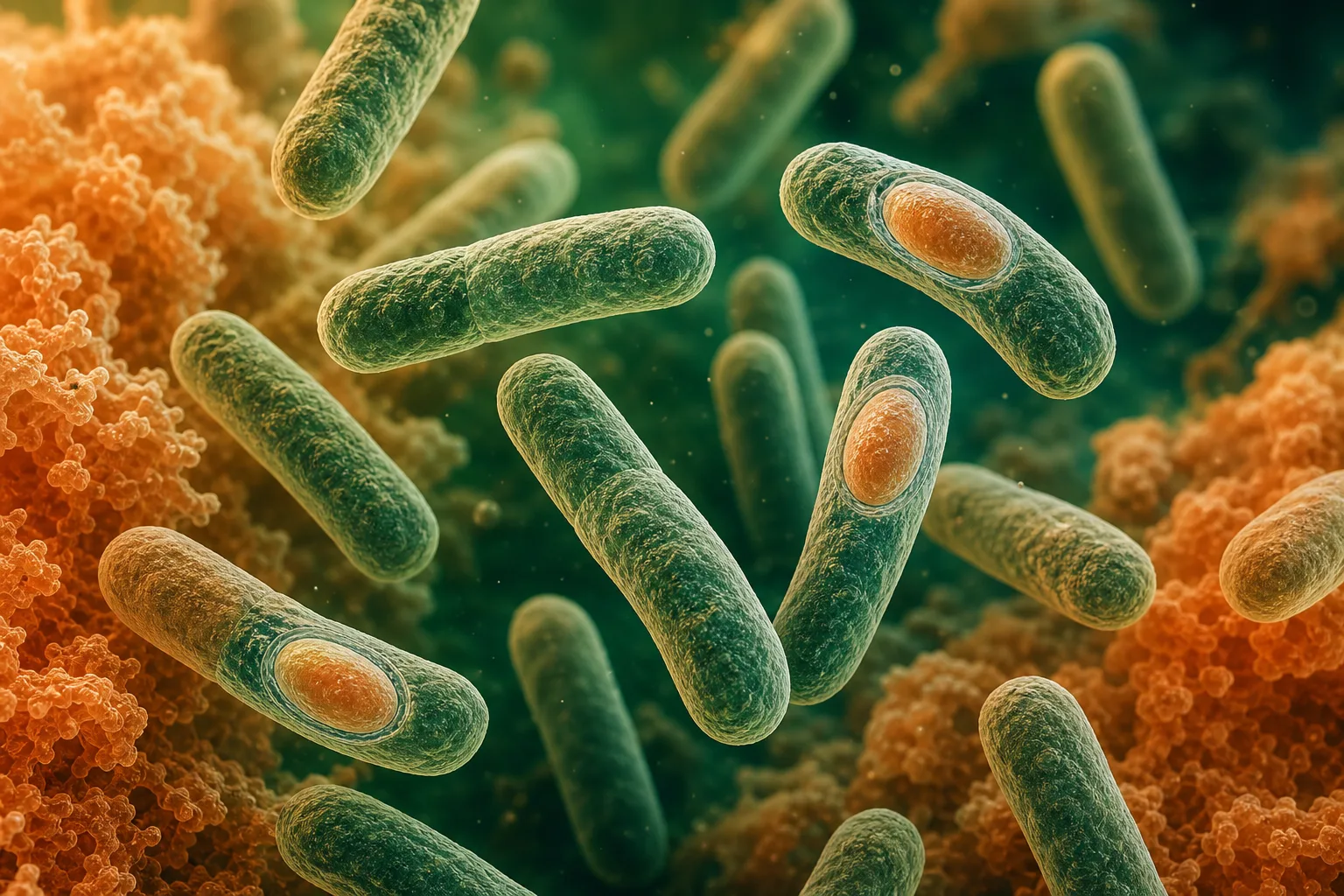
Bacillus coagulans attracts supplement makers because it forms spores, a dormant state that can improve resistance to manufacturing and environmental stress. That practical advantage is not the same as proof of a particular health outcome.
First, the name has changed in some scientific records
The species has been reclassified as Heyndrickxia coagulans, although product labels and much of the literature still use Bacillus coagulans. When searching research, both names may appear.
Why spores matter to formulation
Spore-forming organisms can tolerate conditions that would damage some non-spore-forming microbes. Reviews describe interest in B. coagulans for shelf-stable foods and supplements. But survival in a package, survival through digestion and producing a meaningful human outcome are three separate questions.
The strain is part of the evidence
Studies have examined named strains such as MTCC 5856 and other preparations. Findings from one strain, dose and population should not be generalized to an unnamed strain. NCCIH makes the broader point that different probiotics can have different effects—even within a familiar group.
| The label tells you | It does not automatically tell you |
|---|---|
| The species is B. coagulans | The exact strain used |
| The organism can form spores | How many viable organisms remain through expiration |
| It is included in the formula | That the finished formula reproduces a separate clinical trial |
How to evaluate a product containing it
- Find the complete strain designation, if provided.
- Find the amount per serving and shelf-life wording.
- Open the cited study and compare the intervention.
- Check whether other ingredients make the finished formula materially different.
- Treat broad skin, weight or disease promises as separate claims requiring separate evidence.
Why this ingredient matters to the PrimeBiome review
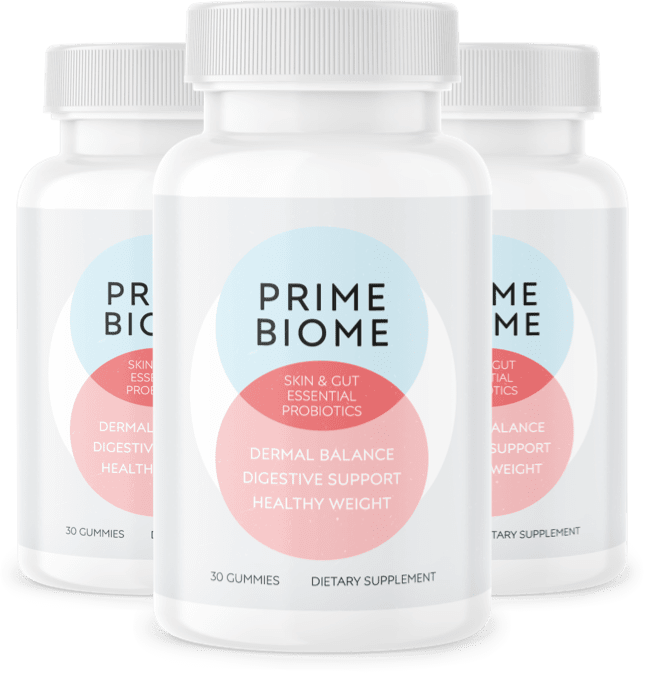
PrimeBiome publicly lists B. coagulans, but the complete gummy also contains inulin and nine botanicals or fibers. Evidence on one strain should not be treated as proof of the whole blend.
Review the current label and offer