“Clinically Studied Ingredient” Sounds Strong—Until You Ask These Five Questions
A study can be real while the sales conclusion is still too broad.

“Clinically studied ingredient” tells you that someone is pointing toward research. It does not tell you whether the finished product was tested, whether the dose matches, whether the outcome is relevant, or whether the study was well designed.
1. Was the finished product studied?
An ingredient study and a finished-formula study are different. Combining ten ingredients changes the intervention. A company should not imply that separate evidence on one component proves the mixture.
2. Is it the exact strain or standardized material?
For probiotics, strain identity can matter. For botanicals, plant part, extraction and standardization may matter. “Same species” or “contains ginger” may be too broad to reproduce a trial.
3. Does the dose match?
A label can contain an ingredient at an amount different from the study. If individual amounts are hidden in a blend, the comparison may be impossible.
4. Who was studied—and for what?
Results in one population, such as adults with a defined condition, do not automatically apply to healthy consumers seeking a broad beauty benefit. Check the primary outcome, not only a favorable secondary measure.
5. What kind of claim is being made?
FDA distinguishes health claims from structure/function claims. Dietary supplements are not approved like drugs before marketing, and claims to diagnose, treat, cure or prevent disease change the regulatory issue. A required disclaimer does not prove effectiveness.
| Strong match | Weak match |
|---|---|
| Same strain/material, dose, formula, population and outcome | Same broad ingredient name only |
| Randomized controlled human trial with relevant measures | Cell, animal or uncontrolled evidence presented as consumer proof |
| Limitations and funding are visible | Only a headline or testimonial is provided |
Apply the five-question test to PrimeBiome
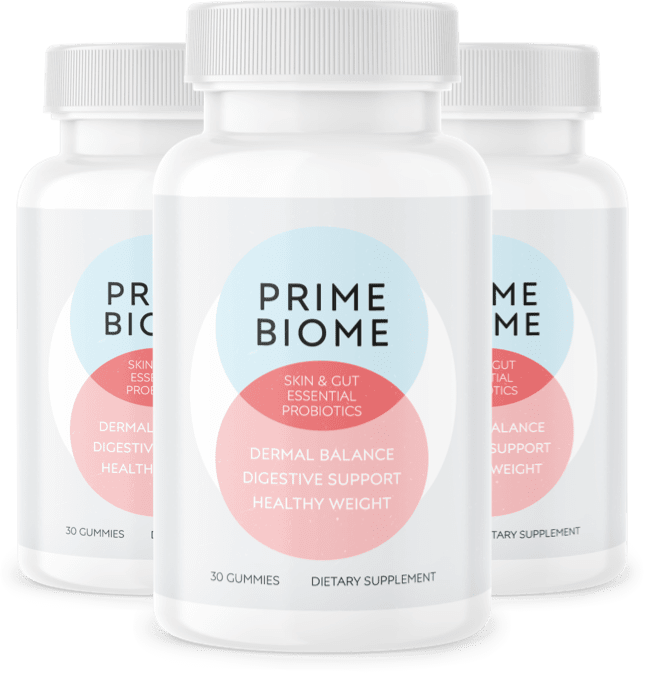
Its formula lists B. coagulans plus inulin and botanicals. Compare any cited study with the actual strain, amounts, complete formula and outcome before treating it as product proof.
Review the current label and offer