Do Probiotics Need Refrigeration? “Shelf-Stable” Still Comes With Conditions
Room temperature is not one fixed environment, and “shelf-stable” does not mean heat-proof.
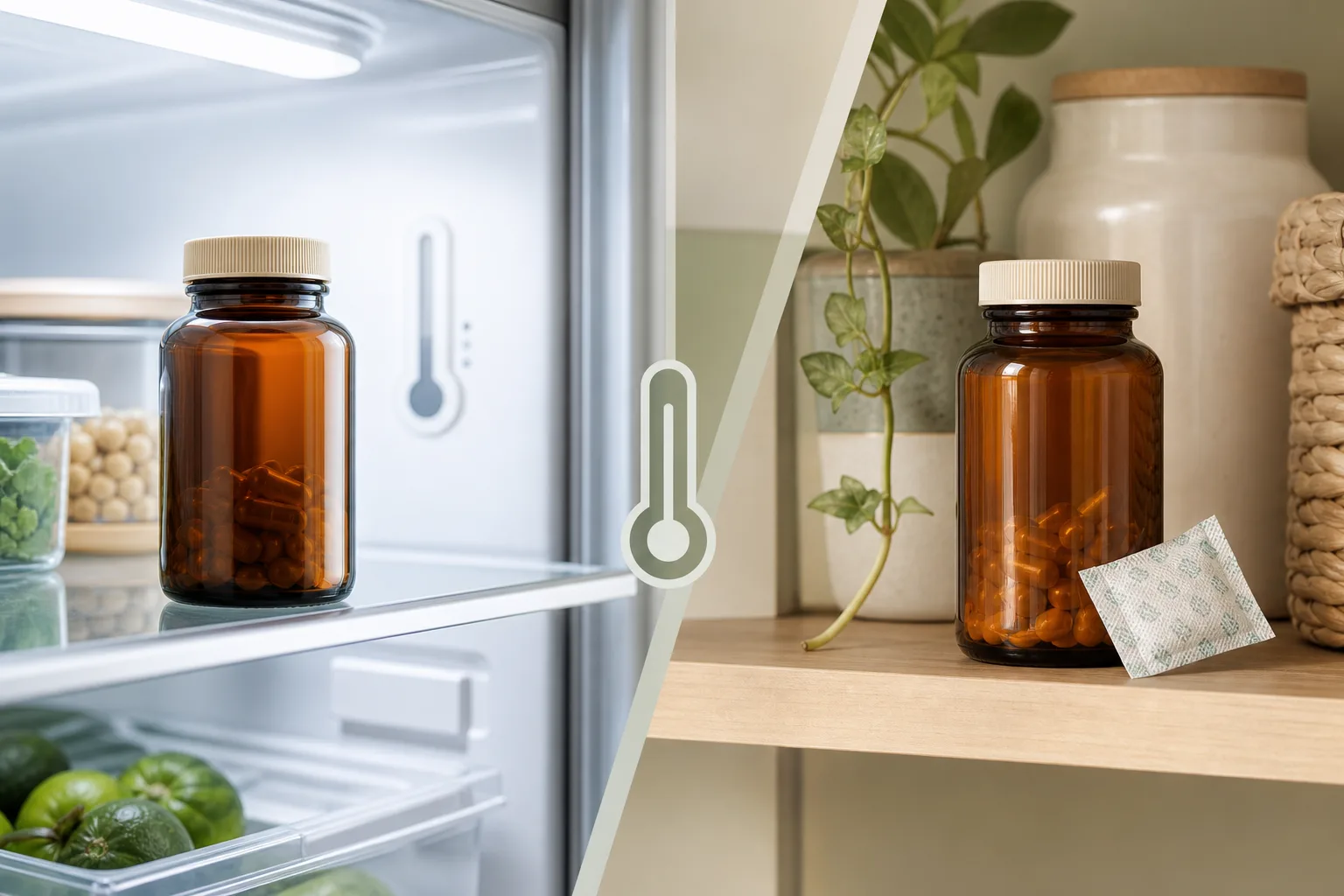
Whether a probiotic needs refrigeration depends on the organism, formulation, packaging and stability testing. Some spore-forming organisms tolerate environmental stress better; other products rely on cold storage. The label should decide—not a rule copied from another brand.
What shelf-stable should mean in practice
A shelf-stable product is intended to maintain its labeled characteristics under specified storage conditions without refrigeration. Those conditions can still exclude a hot car, direct sunlight, a humid bathroom or an unsealed container.
Packaging is part of stability
Moisture barriers, desiccants, bottle seals and individual blisters can affect exposure. Opening the package repeatedly or transferring gummies to a decorative container may change the environment used for shelf-life testing.
Spore-forming does not mean indestructible
B. coagulans forms spores, which helps explain its use in shelf-stable formulations. But the finished product includes more than the organism. Heat, water activity, processing and other ingredients can still matter.
Four label checks
- Does the product explicitly require refrigeration?
- Is the organism count guaranteed through expiration?
- What temperature, light and moisture conditions are printed?
- Does the package say what to do after opening?
Expiration is not a magic switch
An expiration date is based on the manufacturer’s specifications and data. It does not mean mishandled product is protected until that date, or that every organism disappears the next morning. It is the practical boundary for the labeled guarantee.
Why storage matters for a probiotic gummy
PrimeBiome uses a gummy containing a spore-forming organism. Check the current bottle and seller page for storage instructions and shelf-life wording before purchase.
Review the current label and offer