Before You Buy Any Skin Probiotic, Check These Three Things on the Label
The front of the bottle sells a glow. The back of the bottle answers whether it was built seriously. Three checks tell you most of what you need.

People in gut-health communities keep asking the same question: which probiotic actually makes sense for skin? And the honest answer is that most shoppers get confused at the label and buy nothing. Three checks cut through that. Do them before you spend money on anything — including whatever we mention here.
Just want the formula we ran the checks on? Jump to it →
Why the label, not the front of the bottle
Researchers describe a gut–skin axis—the way the community of bacteria in the digestive tract interacts with inflammation across the body, skin included. The science is still developing, and no supplement should be sold as a cure. But it does explain why people look inward for skin, and why the label deserves more attention than the marketing.
Check one: named strains
A label that only says “probiotic blend” tells you almost nothing. The useful detail is the full organism name—genus, species and the strain code, the letters and numbers after the species. NIH guidance notes that effects are tied to specific microorganisms and amounts, and that benefits seen with one strain should not be assumed for another. If you can’t connect the name on the label to the research being referenced, that’s worth noticing.
Check two: does it survive the trip?
Plenty of probiotic bacteria never make it past stomach acid. That’s part of why spore-forming organisms such as Bacillus coagulans keep coming up—their dormant spore state is more resistant to manufacturing and digestion. Survival in the package, survival through digestion and a real human outcome are three separate questions, but if a label gives you no reason to believe the organism arrives intact, that’s a fair thing to ask about.
See a label that names its spore-forming strain →
Check three: what’s around the probiotic?
Gut researchers keep making the same point: bacteria need something to feed on. A formula that pairs strains with a prebiotic—or with fibers and botanicals—is at least approaching the gut as a system rather than betting everything on one organism. That’s the idea behind synbiotics. It isn’t a guarantee of results; it’s a sign of how the product was designed.
Put the three checks together
- Named strain? Full genus, species and strain code you can look up.
- Survivability? A spore-forming organism or another stated reason it reaches the gut.
- Support? A prebiotic or fiber that feeds the bacteria, not a lone ingredient.
And one thing that isn’t on the label: patience. People who report changes consistently describe weeks to months, not days. Anything promising overnight results is selling the promise, not the science.
Applying the three checks to PrimeBiome
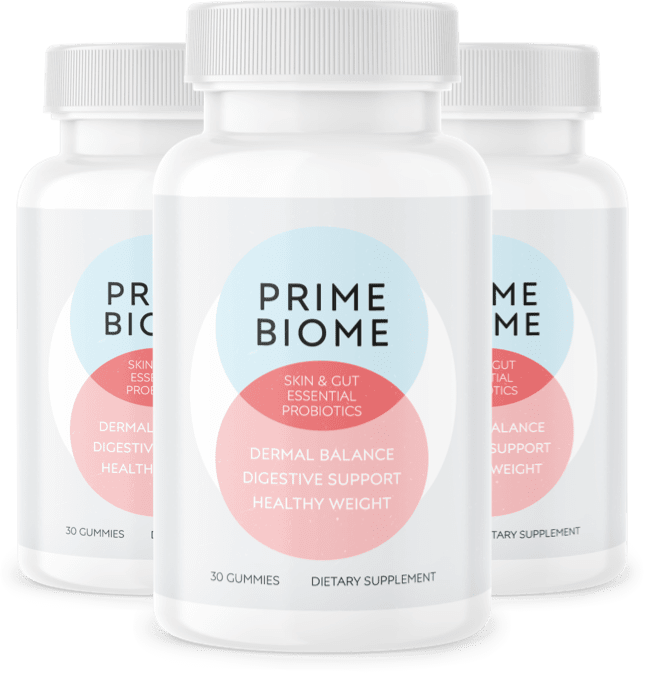
PrimeBiome’s public page lists B. coagulans (a spore-forming organism) alongside inulin, a prebiotic fiber, plus botanicals—so it clears the shape of all three checks. What it can’t do from here is prove itself: verify the current strain code, amounts and the seller’s advertised 60-day refund on the label yourself before you decide.
Review the current label and offer